খবর
 2026.04.09
 শিল্প সংবাদ
Before diving into whether canvas is waterproof, it helps to understand what waterproofing actually means in the context of fabrics. Truly waterproof materials prevent any water from passing through the surface under any conditions — think PVC-coated tarpaulins or rubberized fabrics. Water-resistant materials, on the other hand, repel water up to a point but will eventually allow moisture to seep through under sustained exposure or pressure. Most natural fabrics fall somewhere on a spectrum between these two extremes, and canvas is no exception. Treating canvas as either fully waterproof or completely water-absorbent is an oversimplification that leads to poor purchasing decisions and product disappointment.
Understanding where canvas sits on this spectrum — and how that position can be shifted through manufacturing treatments or aftermarket products — is the key to using it effectively in any application where moisture is a concern.
In its raw, untreated form, canvas is not waterproof. Traditional canvas is woven from cotton, linen, or a cotton-polyester blend, all of which are naturally absorbent fibers. When water contacts an untreated canvas surface, the fabric will initially bead the water due to the tight weave, but prolonged exposure will cause the fibers to absorb moisture and eventually allow it to pass through. This is a fundamental property of natural cellulose fibers — they swell when wet, which can actually help temporarily tighten the weave and slow penetration, but it does not create a true barrier.
What untreated canvas does offer is a degree of natural water resistance, especially when woven tightly. Duck canvas — named after the Dutch word "doek" meaning cloth — is one of the densest weaves available and performs noticeably better in light rain than loosely woven fabrics. But even the tightest duck canvas will succumb to a sustained downpour or direct water contact over time. So the short answer is: raw canvas is water-resistant at best, not waterproof.
Several persistent myths surround canvas and its relationship with water. Separating fact from fiction helps you make smarter choices when selecting canvas products for outdoor or moisture-prone applications.
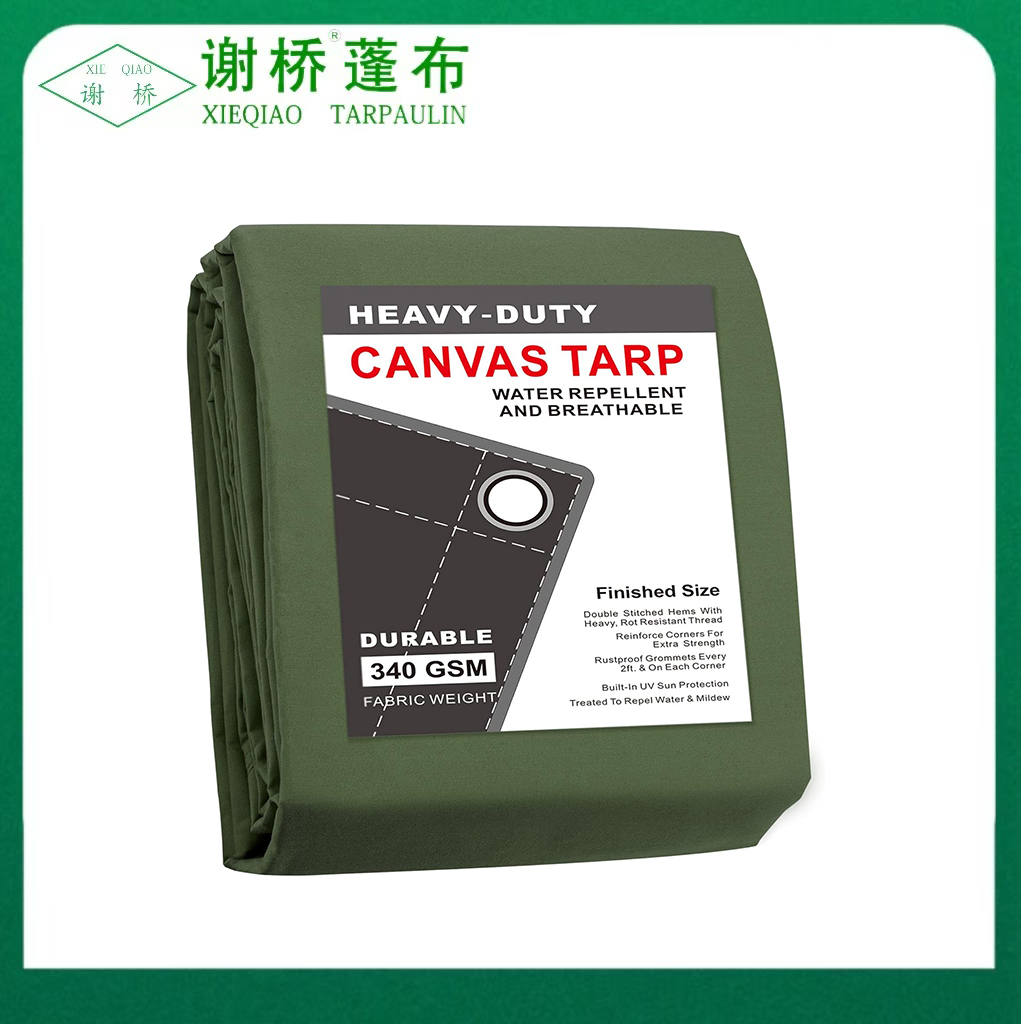
Canvas varies enormously by fiber type, weave density, weight, and treatment. A lightweight 8-oz cotton canvas behaves very differently from a 16-oz waxed canvas or a polyester-reinforced coated canvas. Lumping them all under one label leads to mismatched expectations. When shopping for a canvas product intended for outdoor use, always check the weight (measured in ounces per square yard) and whether any water-resistant treatment has been applied.
Waxed canvas is one of the most water-resistant forms of canvas available, but it is still not 100% waterproof. The wax impregnates the fibers and fills the gaps between the weave threads, dramatically slowing water penetration. In moderate rain, a well-waxed canvas performs exceptionally well. However, under prolonged heavy rain, sustained water pressure, or immersion, water will eventually breach the surface — particularly at seams, which are inherently weaker points. Waxed canvas should be understood as highly water-resistant, not waterproof.
All water-resistant treatments degrade over time. UV exposure, abrasion, washing, and general wear gradually break down the protective coating or wax layer. A canvas tent that performed perfectly in its first season may leak by its third if it hasn't been retreated. Regular maintenance — rewaxing, reapplying spray treatments, or using specialized canvas conditioners — is essential for preserving performance. Treating canvas waterproofing as a one-time fix is a reliable path to a soggy outcome.
The market offers several distinct types of canvas with varying levels of water resistance. Understanding their differences helps you choose the right material for your specific use case.
| Canvas Type | Water Resistance Level | Best For |
| Untreated Cotton Canvas | Low | Indoor use, dry storage |
| Waxed Canvas | High | Bags, jackets, light outdoor covers |
| PVC-Coated Canvas | Very High / Near Waterproof | Tarpaulins, boat covers, outdoor furniture |
| Polyurethane (PU) Coated Canvas | High | Tents, backpacks, outdoor gear |
| Acrylic-Coated Canvas | Moderate to High | Awnings, patio umbrellas, shade sails |
| Duck Canvas (Untreated) | Low to Moderate | Work clothing, tool rolls, short-term outdoor use |
PVC-coated canvas comes closest to being truly waterproof. The polymer coating bonds to the fabric surface and creates a near-impermeable barrier. It is heavier and less breathable than waxed canvas but excels in applications where maximum water protection is non-negotiable, such as marine covers, heavy-duty tarps, and outdoor furniture protection.
If you already own a canvas item — a tent, a bag, a work jacket, or an outdoor cover — and want to improve its water resistance, several tried-and-tested methods are available. The best choice depends on the canvas type, the level of protection needed, and how much you're willing to invest in maintenance.
The intended use case should always drive your canvas selection. Picking the wrong type of waterproof canvas for a specific application is one of the most common — and most avoidable — purchasing errors. Here's a practical breakdown by use case:
Even the best waterproof canvas will degrade without proper maintenance. Establishing a simple care routine extends the life of your canvas significantly and ensures it performs as expected when conditions turn wet.
Canvas is not naturally waterproof, but with the right type of canvas and the appropriate treatment, it can perform exceptionally well in wet conditions. The key is matching the canvas specification to the task — a waxed canvas bag is a great companion in light urban rain, but it's not a substitute for a PVC-coated tarp in a heavy storm. Understanding the distinctions between water-resistant and waterproof, between treated and untreated, and between the many canvas types available puts you in a far stronger position as a buyer.
Whether you're buying a canvas tent for family camping trips, a rugged bag for daily commuting in unpredictable weather, or a heavy-duty cover for outdoor equipment, the principles remain the same: check the treatment, check the weight, check the seams, and plan for regular maintenance. Canvas rewards those who care for it with years — sometimes decades — of reliable service, even in challenging wet conditions.
প্রস্তাবিত পণ্য



 চীন, জিয়াংজু সিটি, জিয়াংডু জেলা, উকিয়াও টাউন এর শিল্প উদ্যান।
  +86-15252561063
  +86-15252561063